
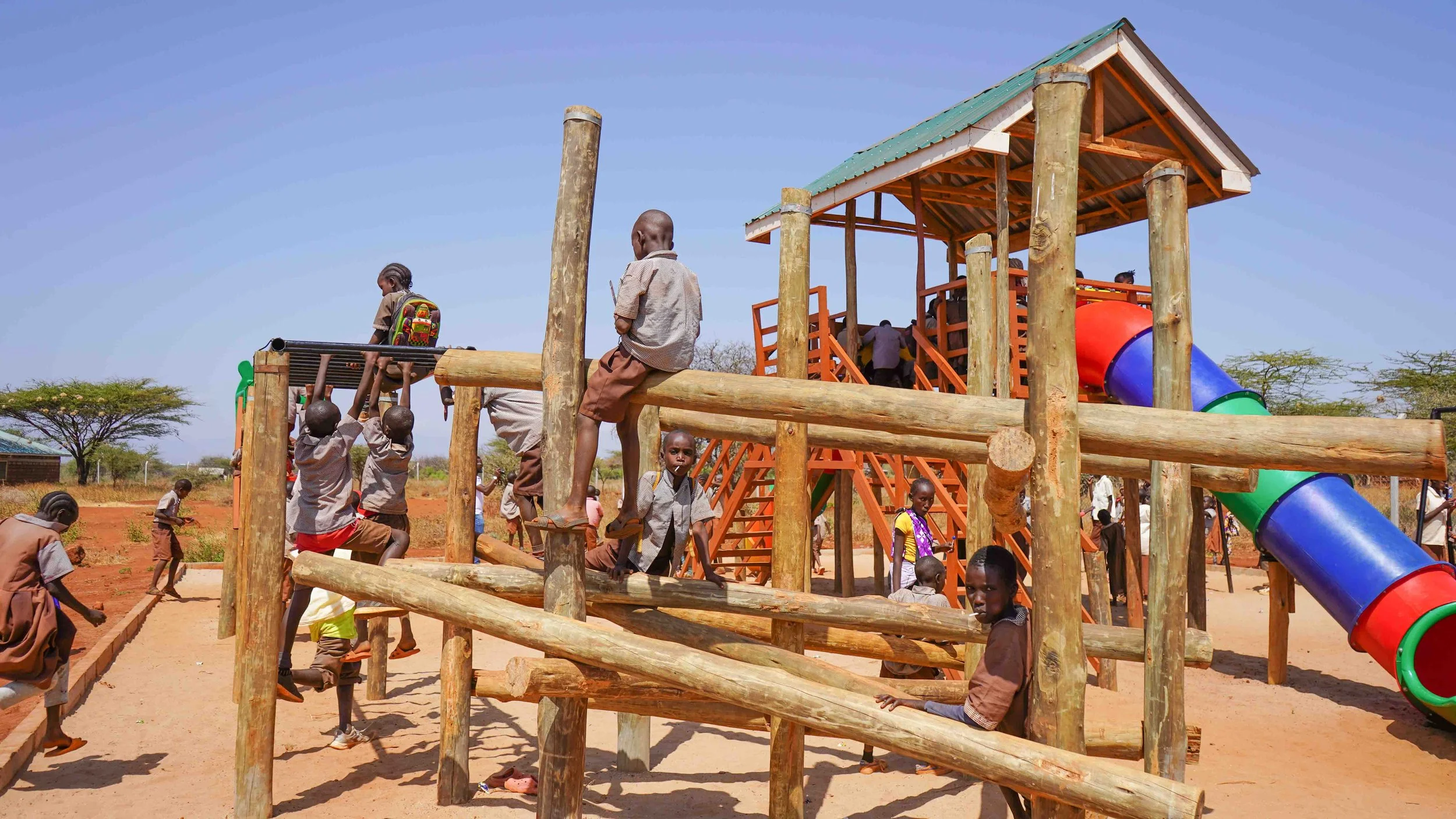
Our model
Three steps to drive lasting change.
Our model is simple, but powerful.
At Human Practice Foundation, we believe that real impact doesn’t come from one-time interventions, but from working holistically with the entire ecosystem around a child’s education. That’s why our model moves through three connected steps:
Infrastructure. Learning. Economic empowerment.
From safe classrooms to strong teaching and family livelihoods, each step builds on the last — creating long-term change that stays with children, schools, and communities for generations.
The Human Practice Foundation Model
Step 1: Infrastructure
Building the foundation for learning
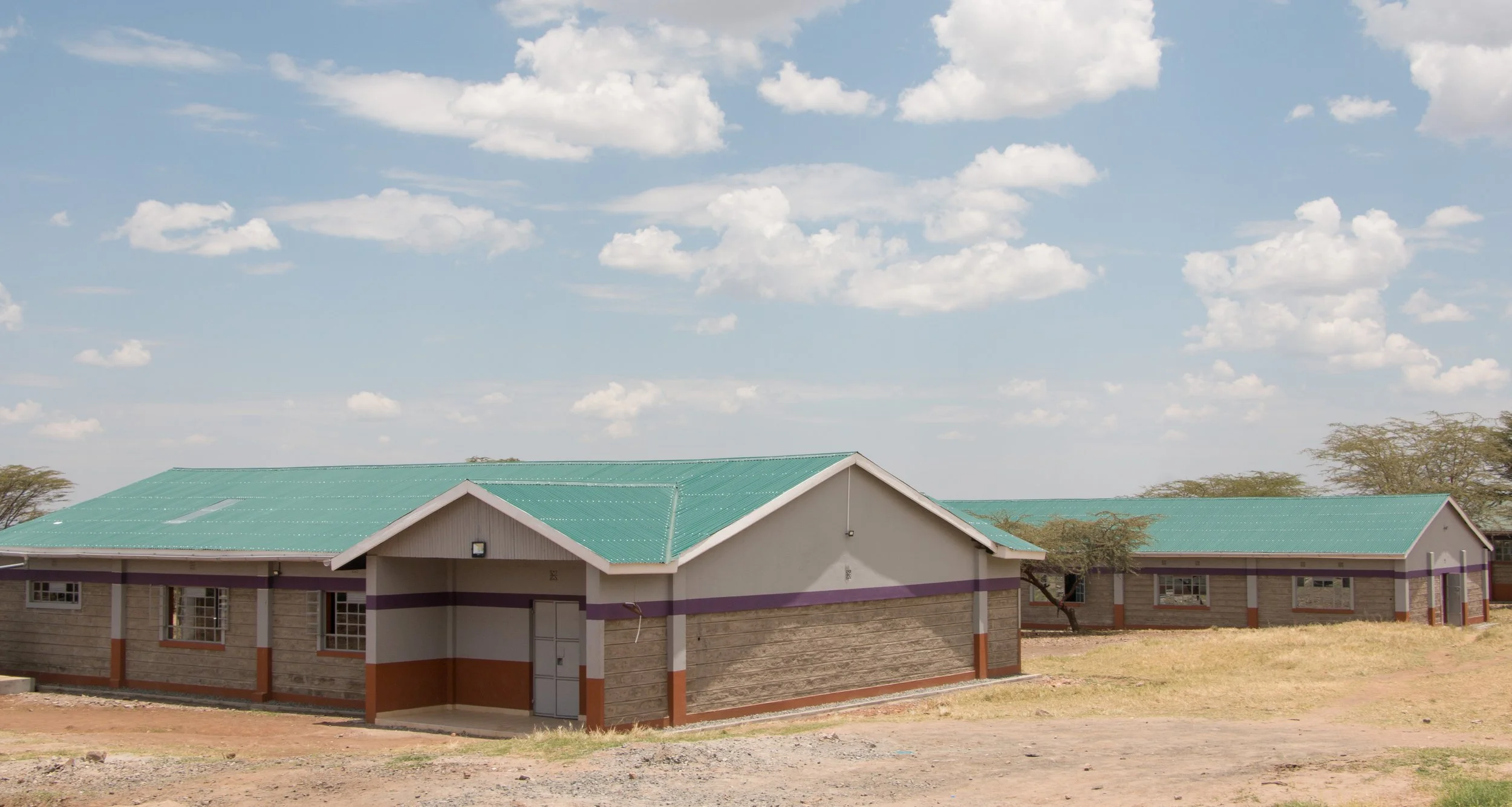
We believe a safe, inclusive, and well-equipped school is the starting point for quality education. That’s why we prioritize school infrastructure as the first step in our Child Empowerment Model. We build new schools and renovate existing ones to ensure every child has access to a secure and inspiring place to learn. Classrooms are designed to support effective teaching, and all facilities are tailored to the local context.
In addition to the core buildings, we provide libraries, science and computer labs, and Early Childhood Development (ECD) classrooms to enhance learning across all age groups. Water and sanitation facilities, including toilets and drinking water schemes, are also an essential part of our approach, helping improve attendance, especially for girls. By investing in school infrastructure, we create the foundation for stronger learning outcomes and lasting community impact.
Step 2: Learning
Teaching that lasts a lifetime
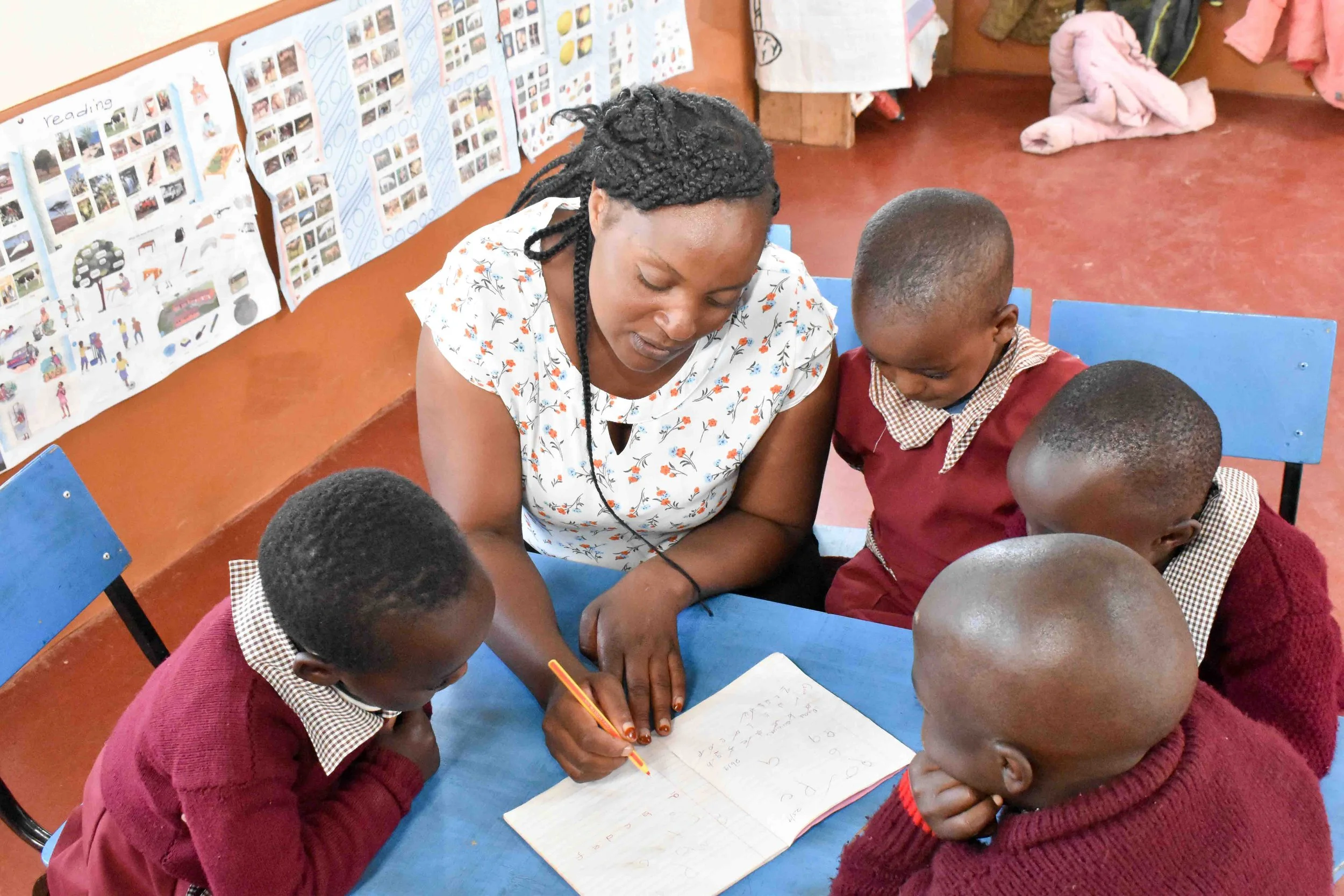
Strong learning outcomes don’t come from infrastructure alone. It requires skilled teachers, relevant tools, and the right support around each child. Our Learning component focuses on building local capacity to deliver quality education in even the most under-resourced settings. We train teachers in structured, student-centred pedagogy and support them in key subjects like English, STEM, and digital literacy. But learning is more than academics. We also help students develop life skills, access remedial teaching, and receive guidance on health, gender, and career planning.
Child clubs, counselling, and exam preparation sessions give students a stronger foundation to succeed in school, and beyond. At the same time, we work with school leaders and parent associations to create better-managed schools and more engaged families. Together, these elements make learning relevant, inclusive, and lasting.
Step 3: Economic empowerment
Creating opportunities beyond the classroom
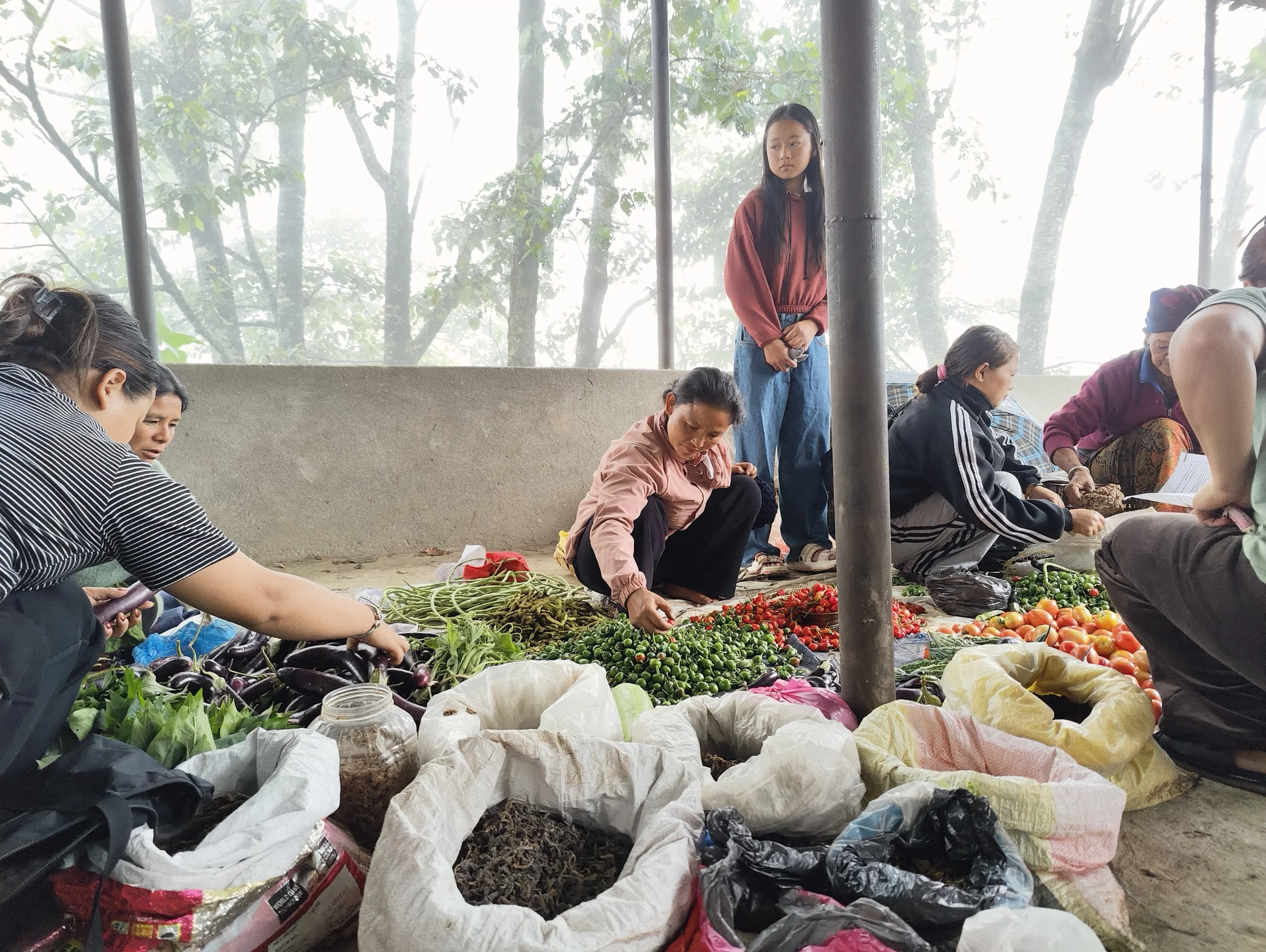
When families thrive, children stay in school. Our Economic Empowerment component strengthens the conditions around each child by supporting parents, improving livelihoods, and easing the transition from school to work for graduated students. We work with farmers to improve production techniques, increase crop quality, and access new markets — including European buyers. Through our Micro-Enterprise Program, we provide the neediest parents with training, seed funding, and ongoing support to help families build small, sustainable businesses.
To prepare students for life after school, we offer vocational guidance, and hands-on training. Our IT Academy gives young people access to skills in graphic design and web development, opening new opportunities in the digital economy. By addressing poverty as a barrier to education, we help break the cycle and ensure that change lasts far beyond the classroom.
Turning steps into change.
From mountain paths to dusty roads, this is a glimpse into everyday lives transformed by access to education. A quiet reminder of why the work matters — and who it’s really for.