Our work
Child Empowerment Model
We believe that real impact doesn’t come from one-time interventions, but from working holistically with the entire ecosystem around children. That’s why our model moves through three connected steps:
Step 1: Infrastructure
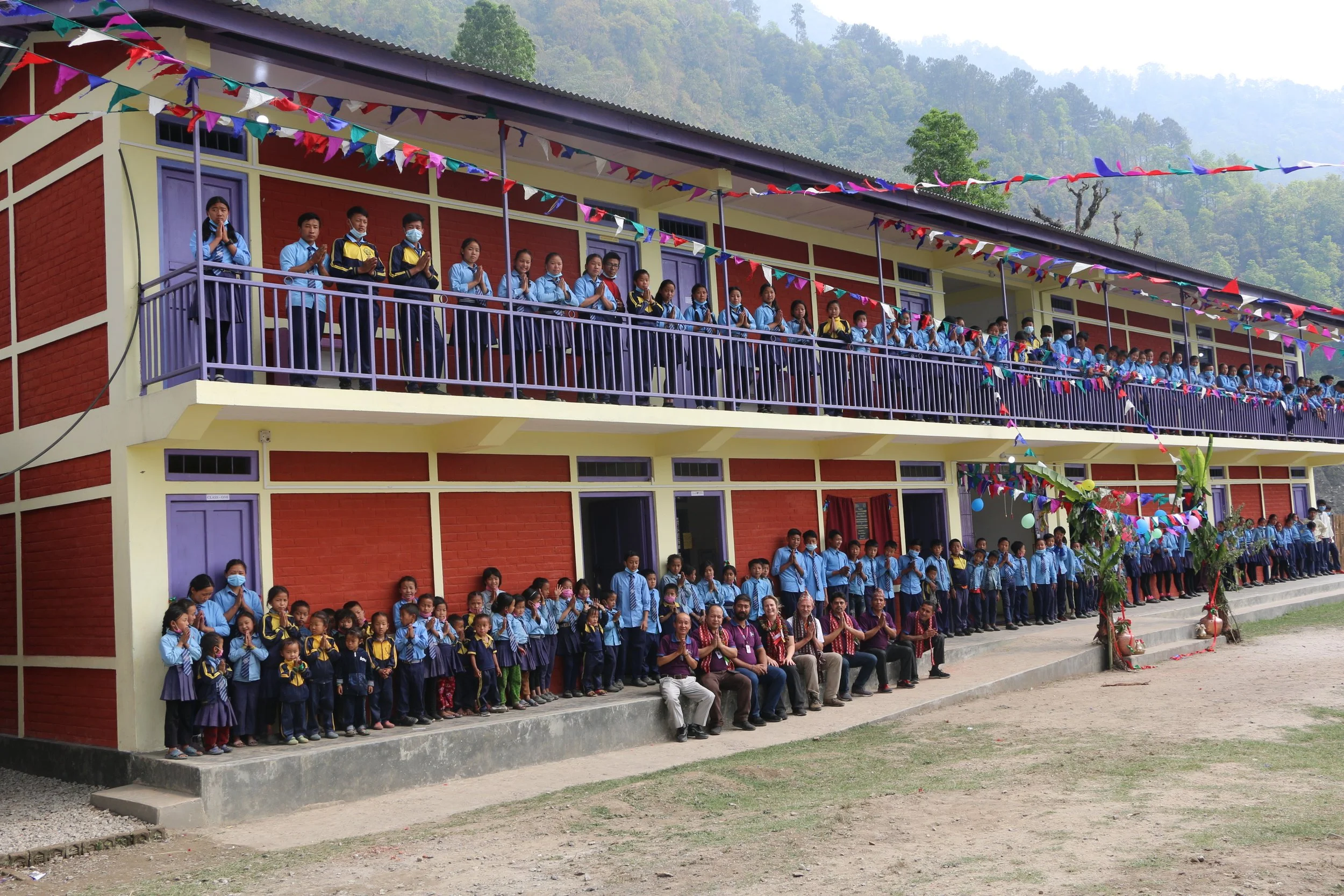
A safe, inclusive, and well-equipped school is the foundation for quality education. We build new classrooms and renovate existing ones, providing libraries, labs, and Early Childhood Development (ECD) spaces tailored to local needs.
Water and sanitation facilities, including toilets and drinking water, are integral. By investing in school infrastructure, we create stronger learning outcomes and lasting community impact.
Step 2: Learning
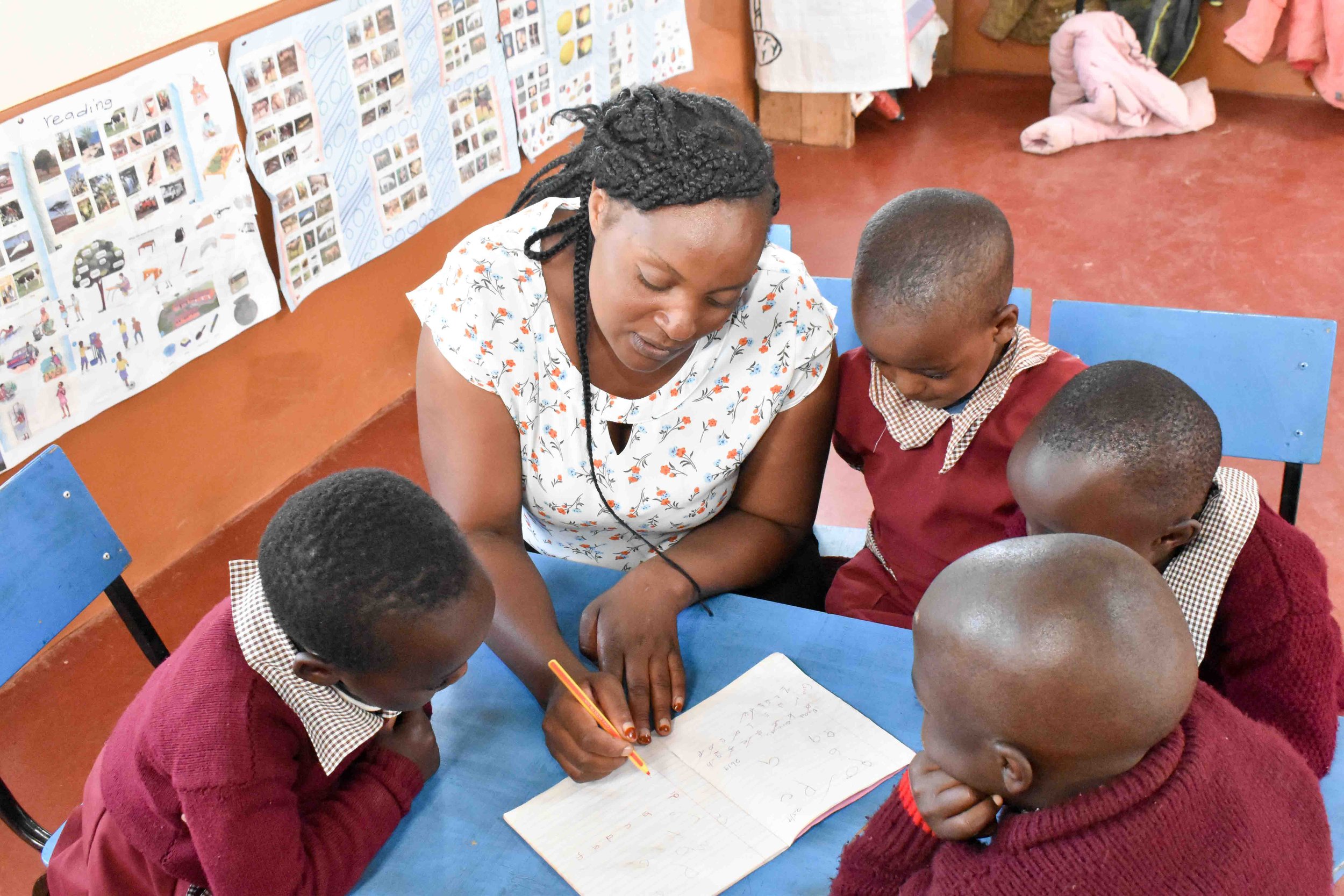
Strong learning outcomes require more than infrastructure alone. We build local capacity by training teachers in student-centred pedagogy and key subjects like English, STEM, and digital literacy.
We also support students with life skills, remedial teaching, and guidance on health, gender, and career planning. We work with school leaders and parent associations to help create better managed schools and more engaged families.
Step 3: Economic empowerment
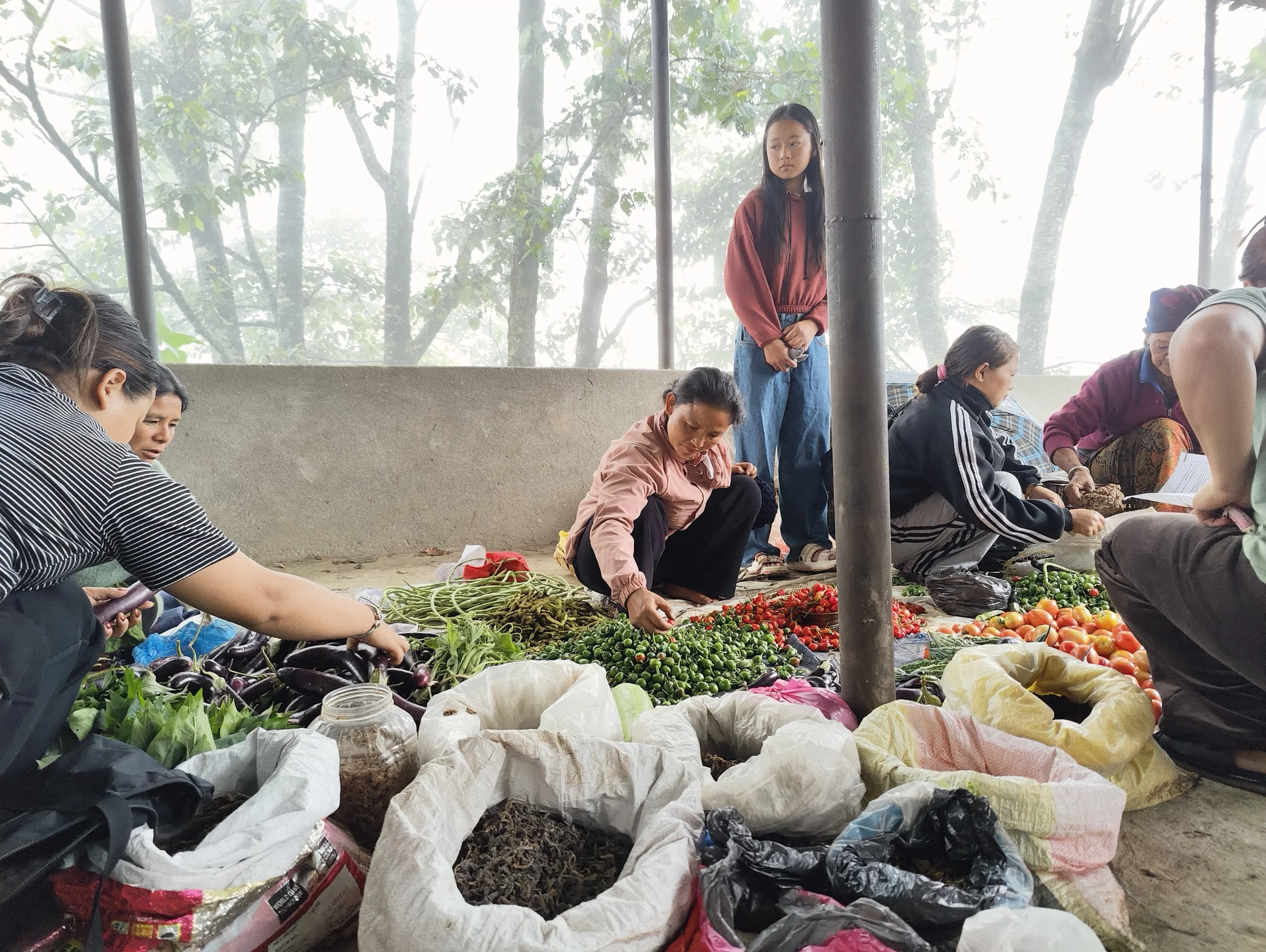
Support parents, improve livelihoods, and help students transition from school to work. We provide farmers with better techniques and market access, and parents with training, seed funding, and ongoing support for small, sustainable businesses through our Micro Enterprise Programme.
Students also receive vocational guidance and practical training through our IT Academy. By tackling poverty as a barrier to education, we help ensure lasting change beyond the classroom.
Our impact
+84.000
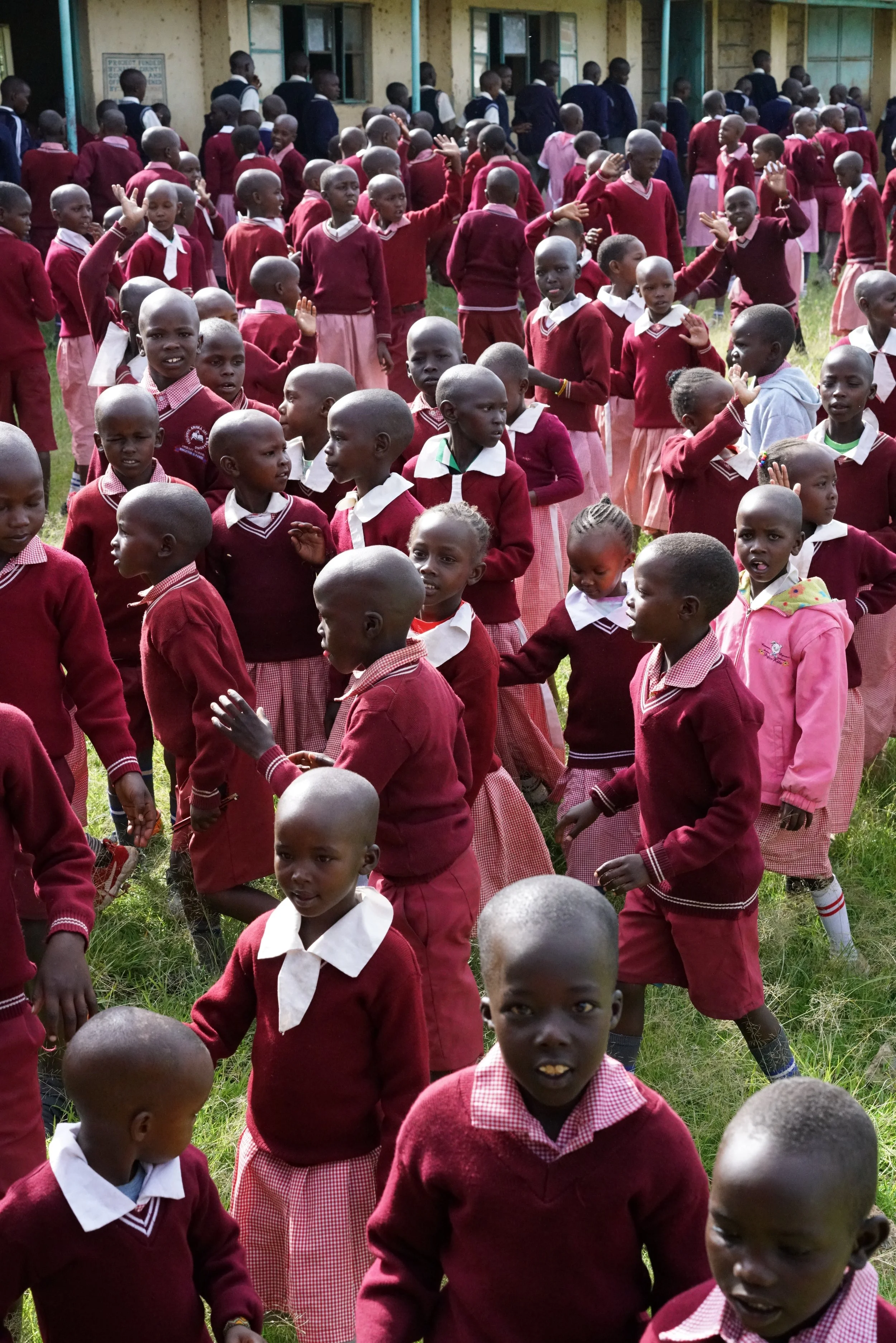
Across Nepal, Kenya, and Denmark, more than 84,000 children have experienced meaningful improvements in their education. With access to renovated classrooms, qualified teachers, and safe environments, children are better able to concentrate, stay motivated, and complete their schooling. These conditions not only support academic progress but also strengthen confidence, inclusion, and long-term opportunities.
Children reached through education
15%
More children attend school in Kenya
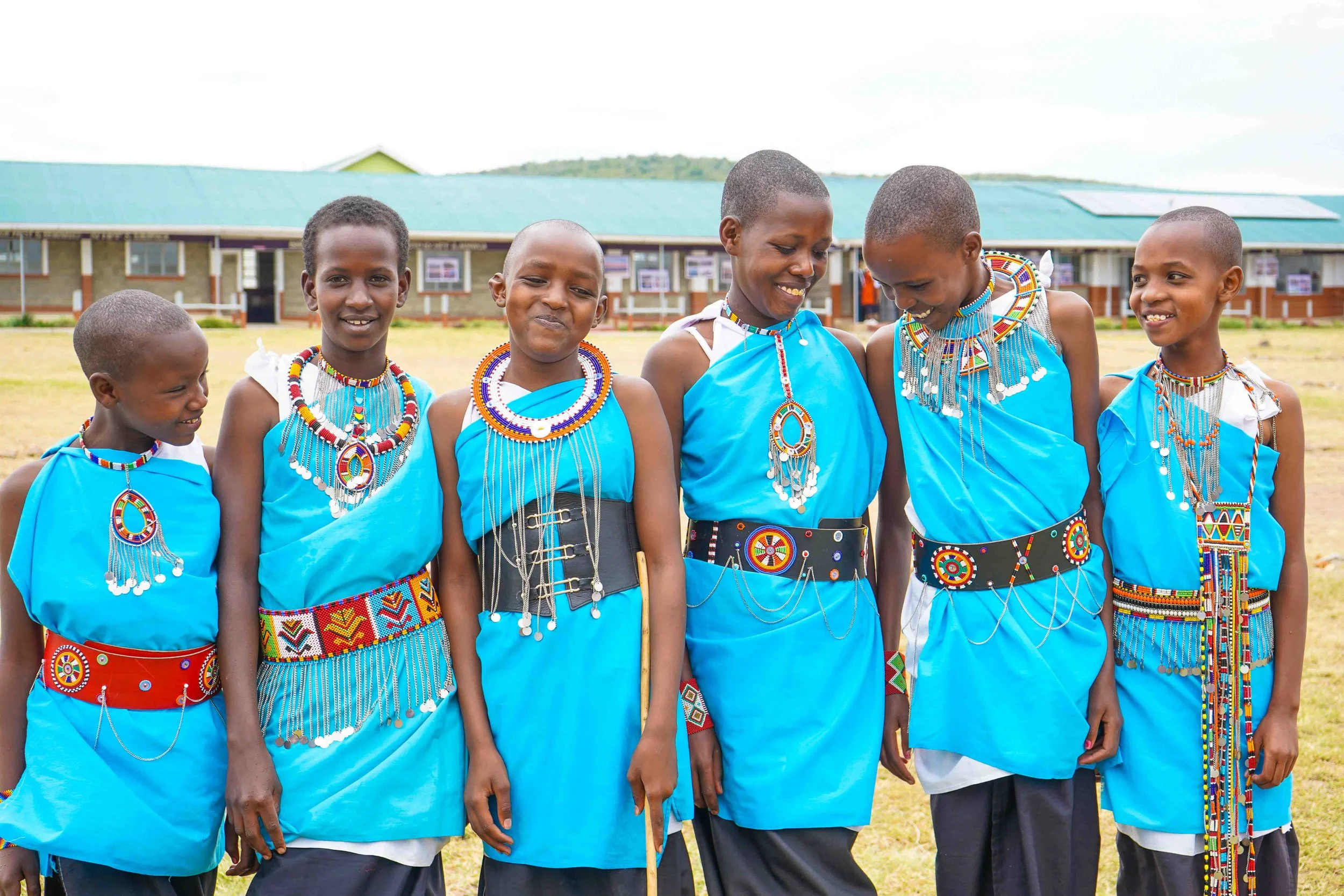
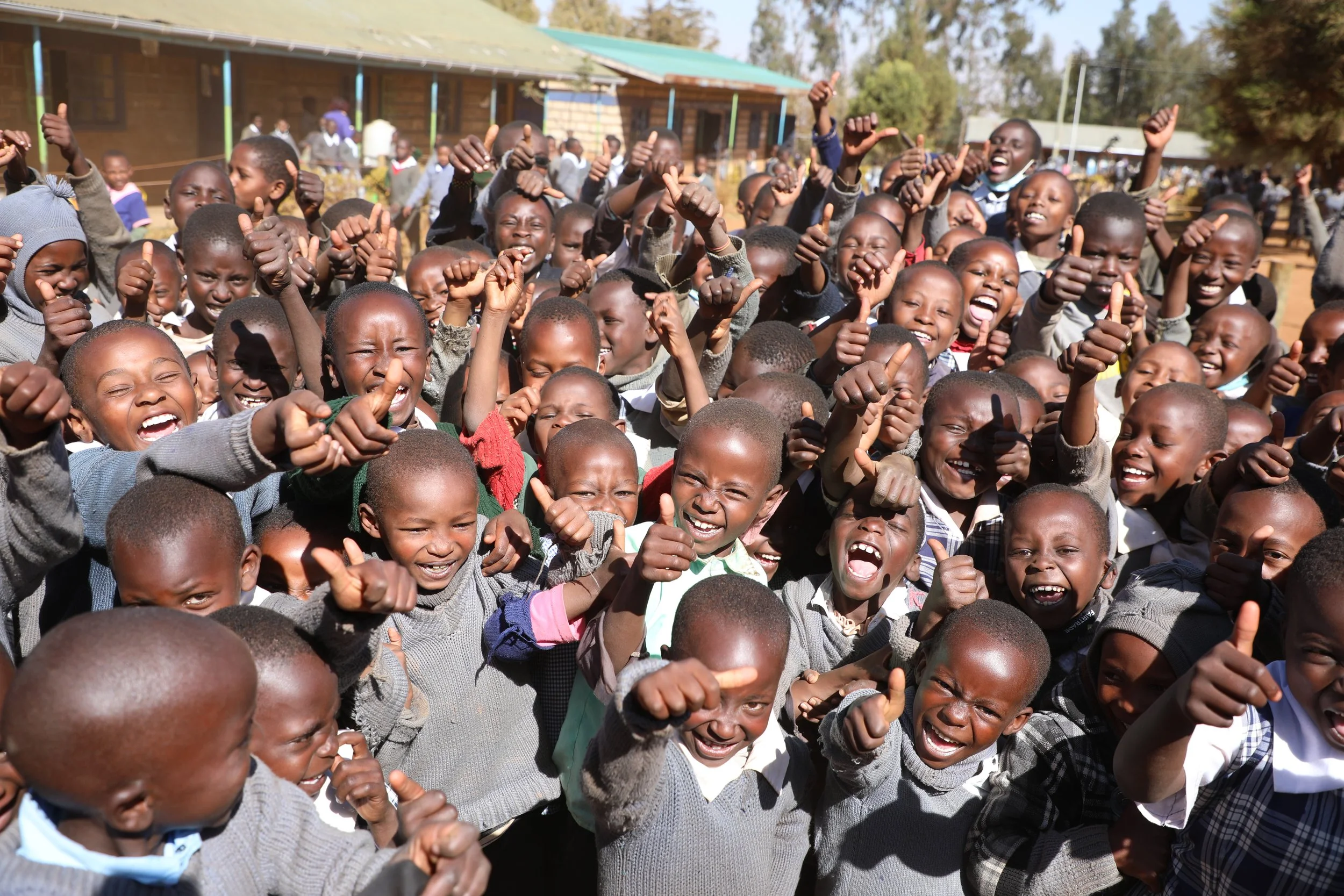
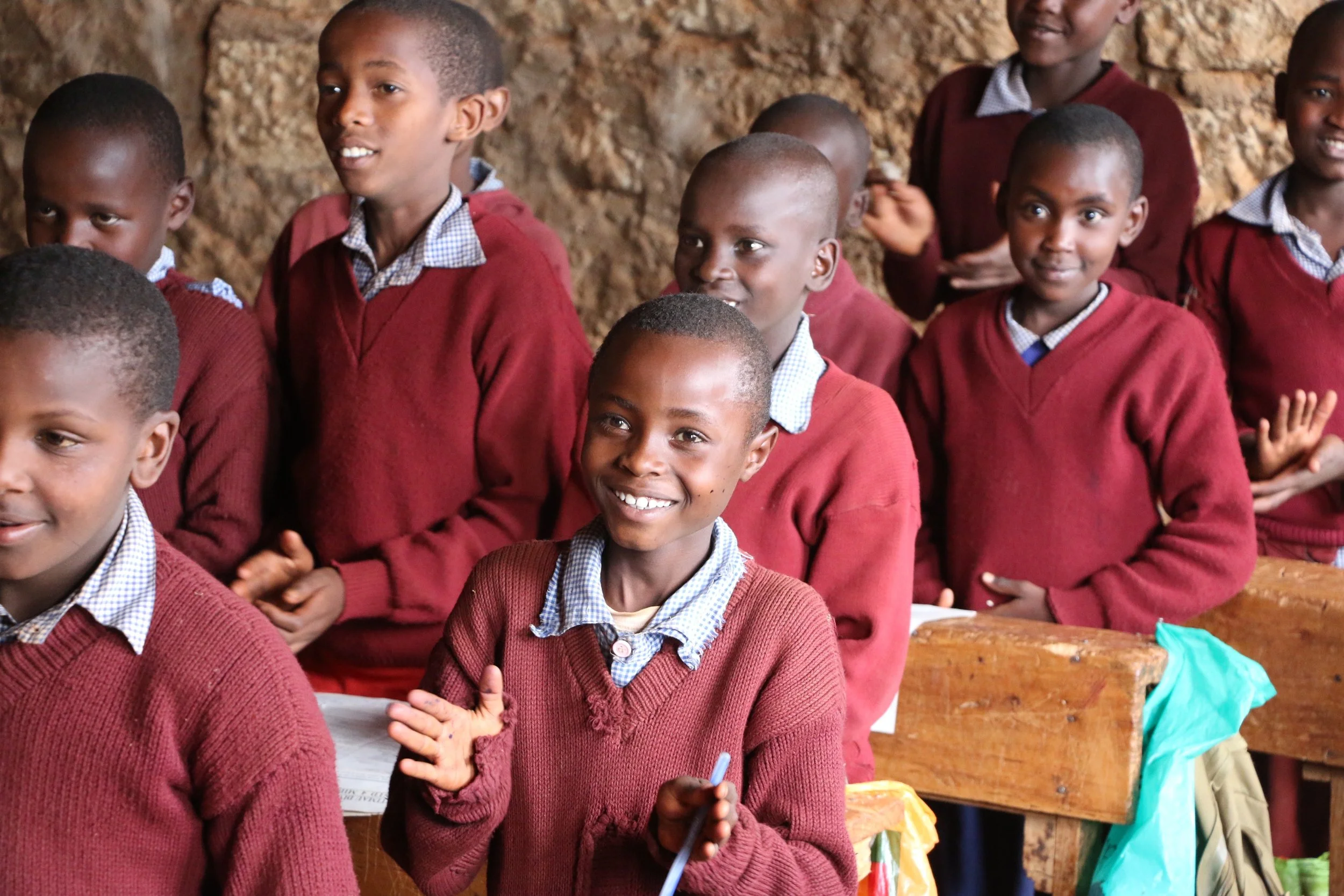
School attendance in Kenya has increased by 15% since the launch of Human Practice Foundation’s initiatives. Through improved infrastructure, safer learning environments, and closer partnerships with teachers and families, children who once faced daily barriers, From long travel distances to lack of proper facilities, now have better access to education. This growth reflects a broader shift: when conditions improve, children show up, stay engaged, and thrive.
171
Schools built or renovated with partners
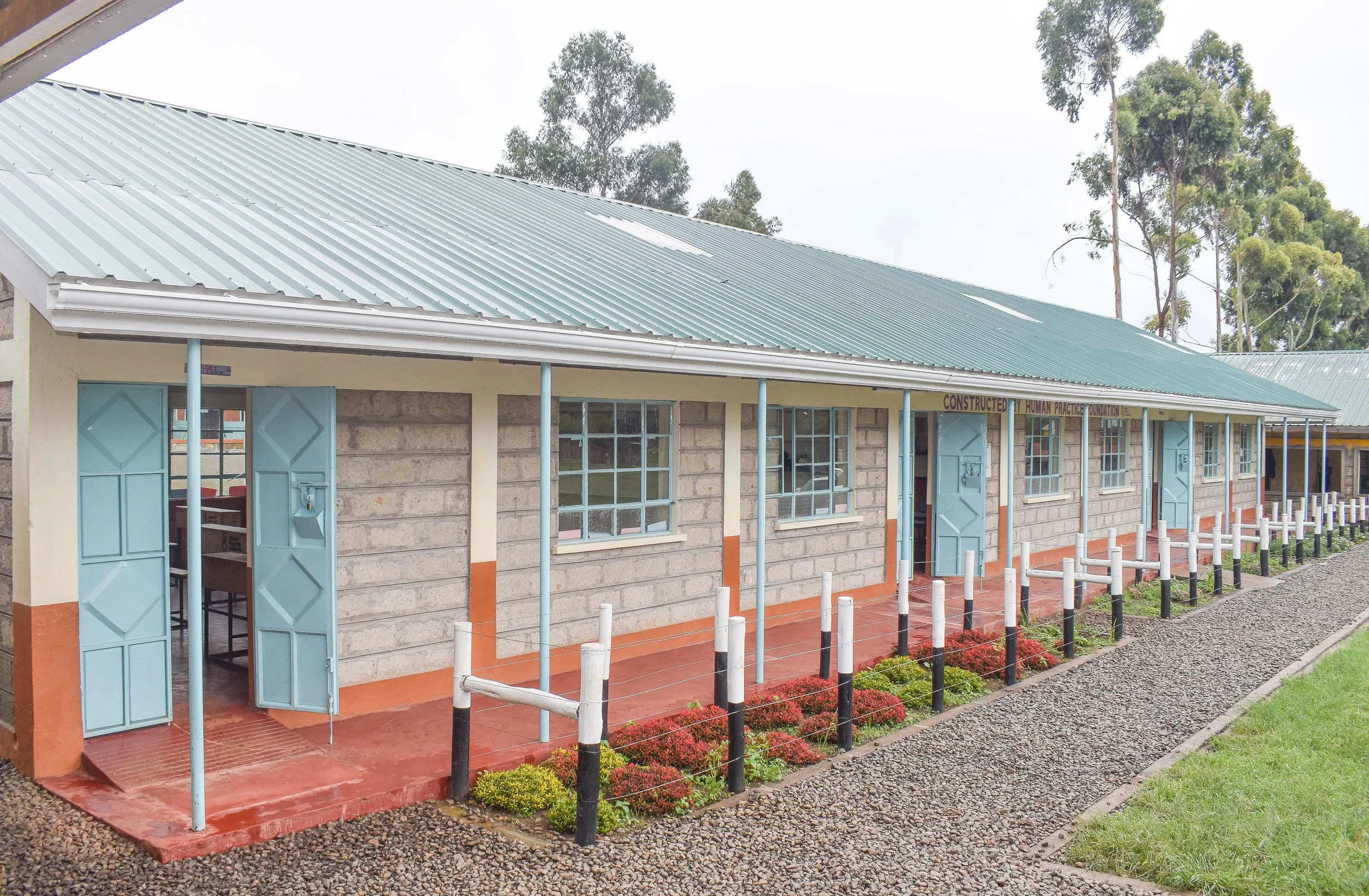
In close collaboration with local communities, we have built or renovated 171 schools across rural areas in Nepal and Kenya, and more are underway. These projects include classrooms, libraries, toilets, handwashing stations, and drinking water systems. Each upgrade is designed to create safe, motivating environments that support attendance, dignity, and learning for thousands of children every year.
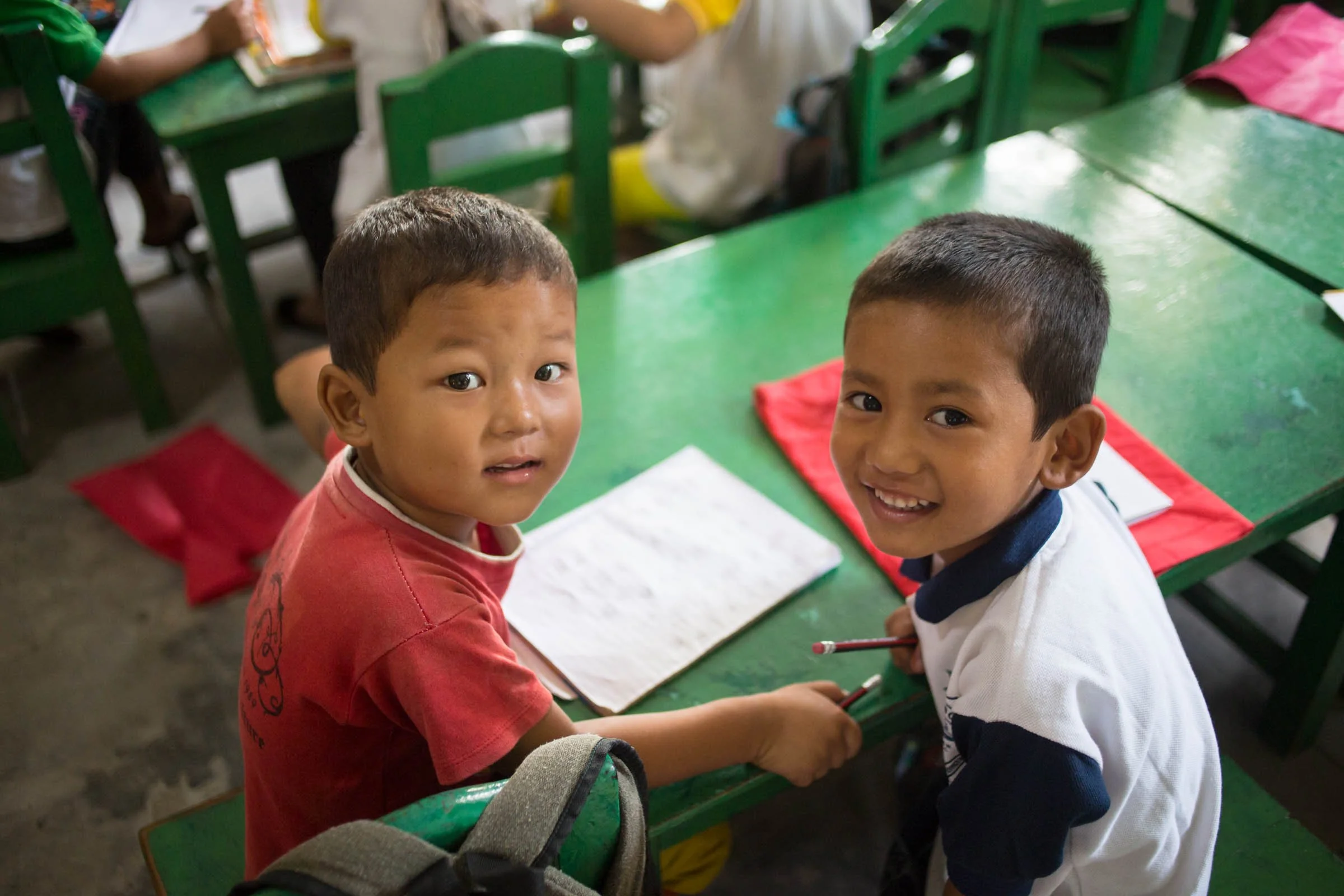
34%
Improved English grades in Nepal
In Nepal, 34% more students now pass their English exams compared to earlier years. This leap reflects targeted teacher training, curriculum support, and consistent classroom follow-up. By investing in long-term learning strategies rather than quick fixes, Human Practice Foundation helps build real academic confidence, not just better scores, but students who are equipped to use language as a tool for further learning and future opportunities.
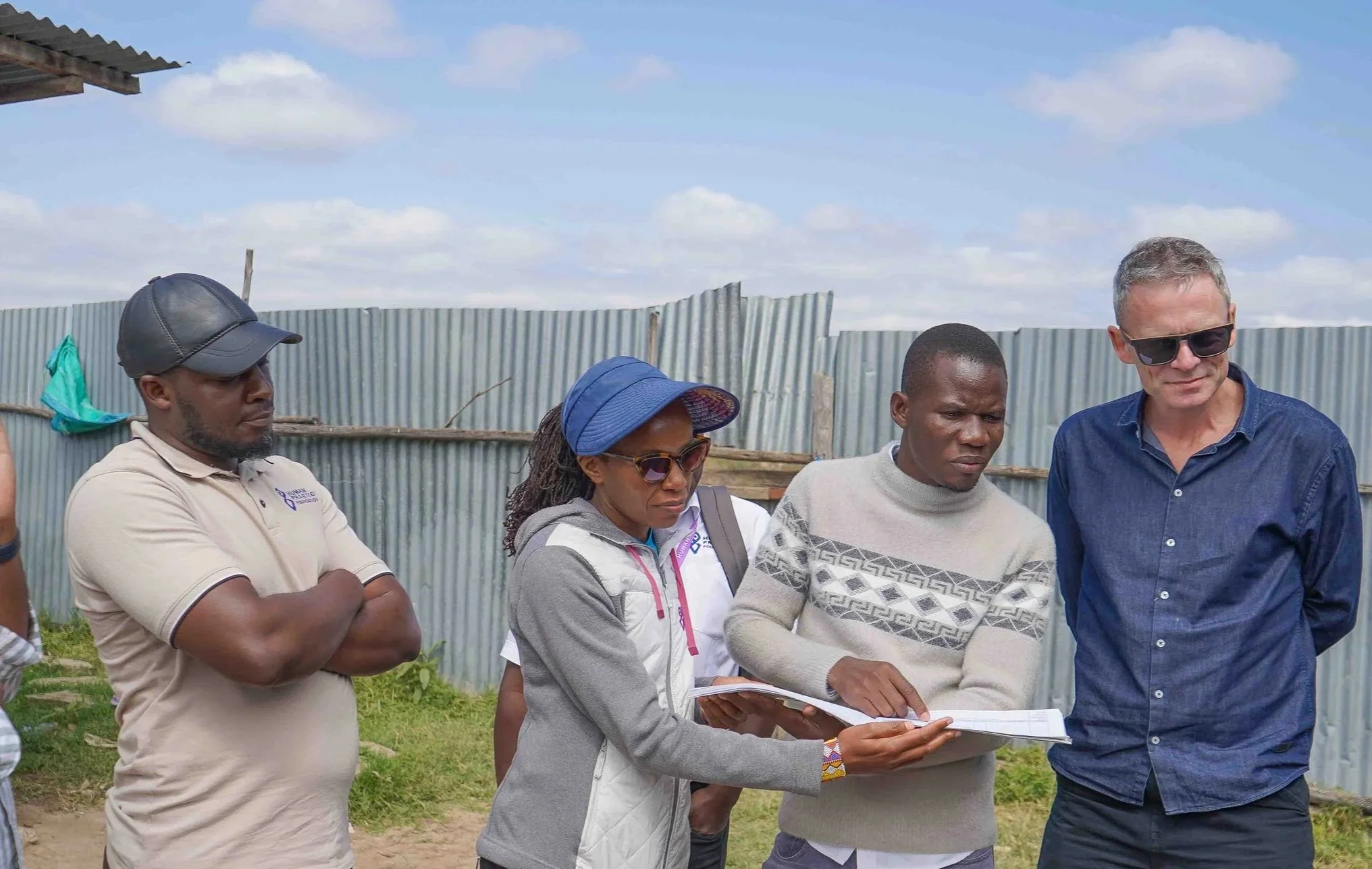
$52 million
Raised through committed partnerships
Since 2014, Human Practice Foundation has raised over $48,5 million to fund impactful education initiatives across Nepal, Kenya, and Denmark. This funding has enabled school construction, teacher training, and programs supporting families and communities. The results reflect the deep trust from donors who believe in education as a path to equality and long-term change, and who help turn that belief into real-world progress.
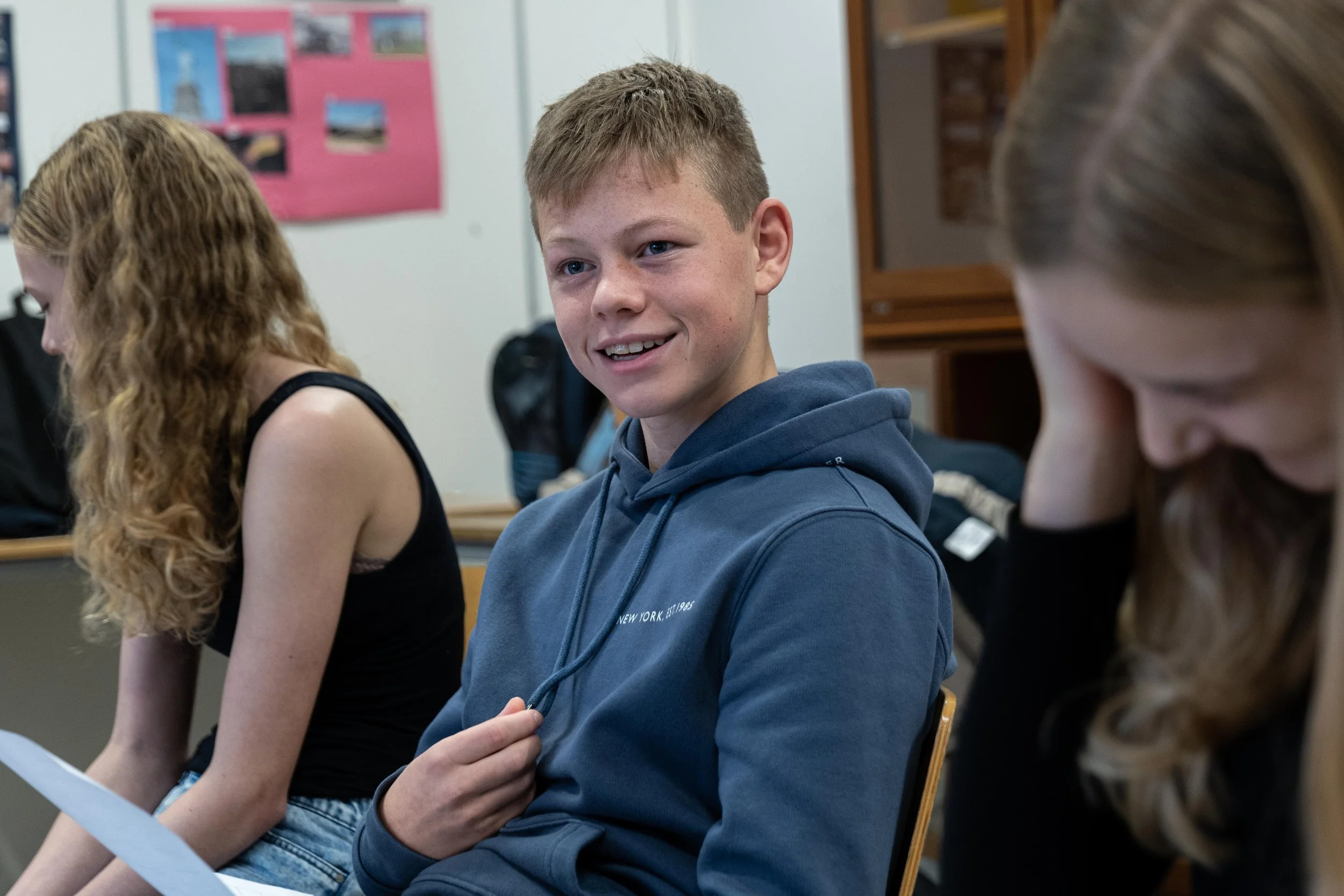
40%
Danish students report better relations
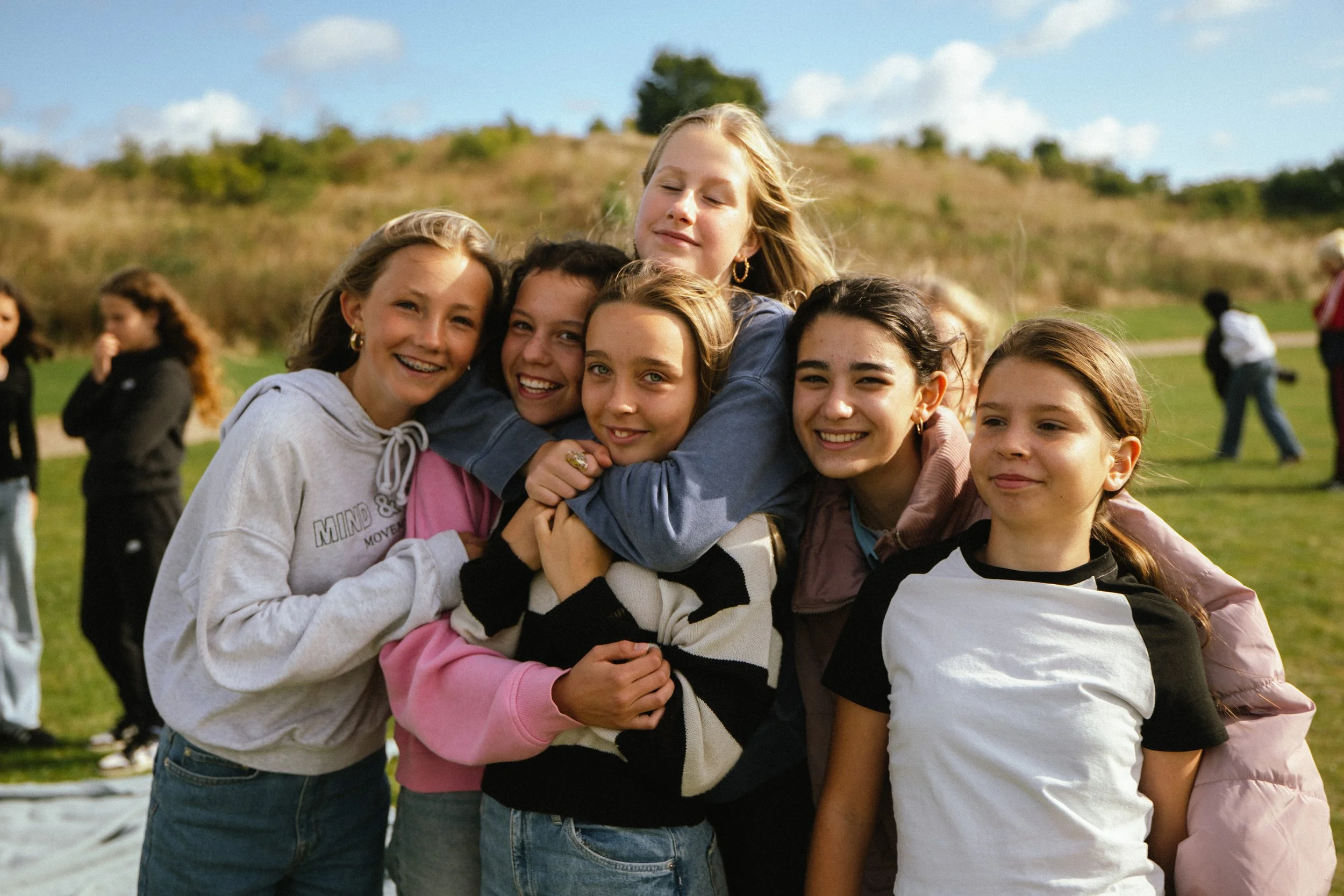
In Denmark, the Inner Strength programme has led to a 40% improvement in relationships between students and their families. The initiative works by strengthening children’s mental well-being through dialogue, reflection, and emotional resilience. Delivered in collaboration with schools, the programme helps students express themselves better, build trust at home, and navigate daily challenges with more confidence and calm.
Turning steps into change.
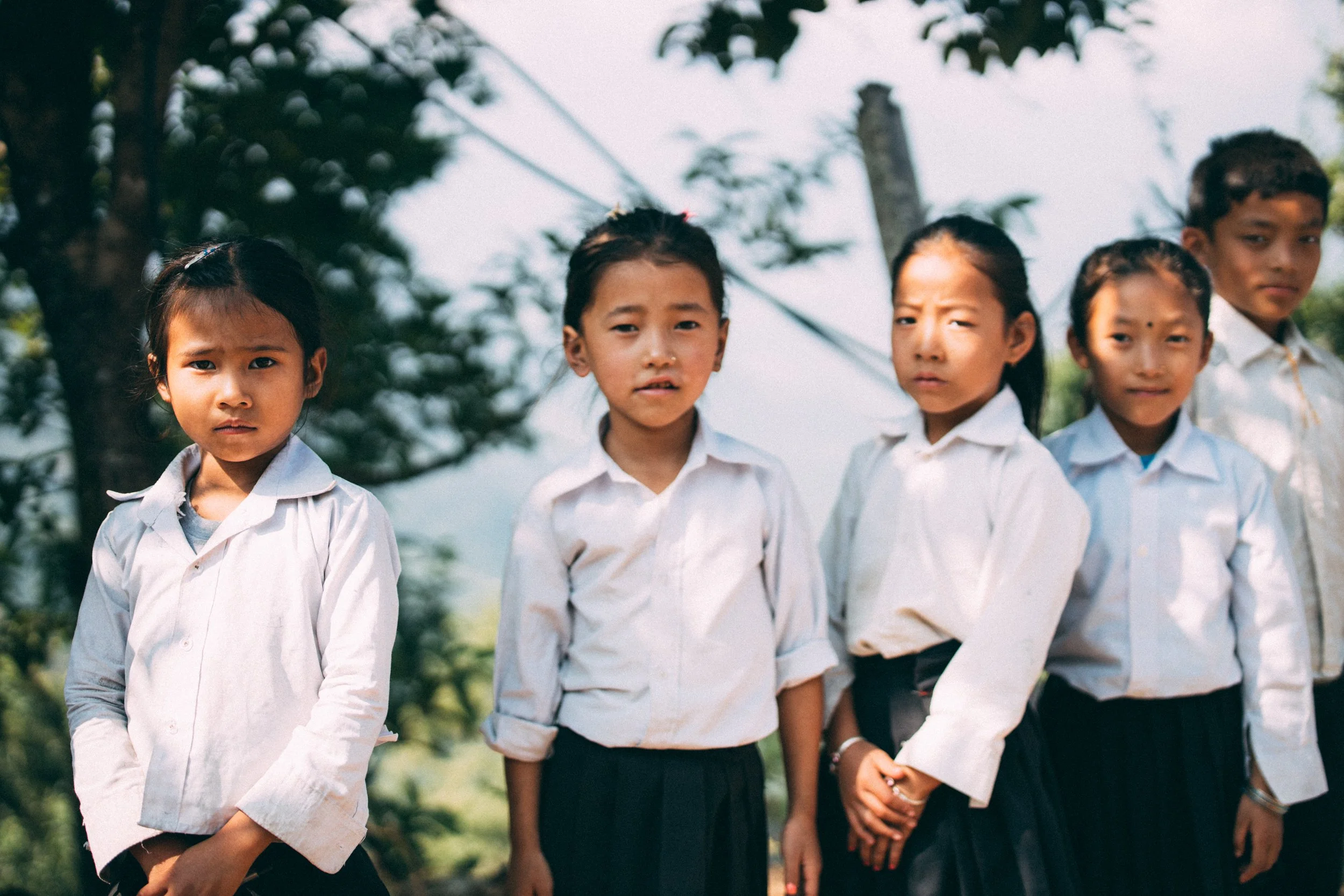
From mountain paths to dusty roads, this is a glimpse into everyday lives transformed by access to education. A quiet reminder of why the work matters and who it’s really for.
Where we work
Nepal
Kenya
Denmark